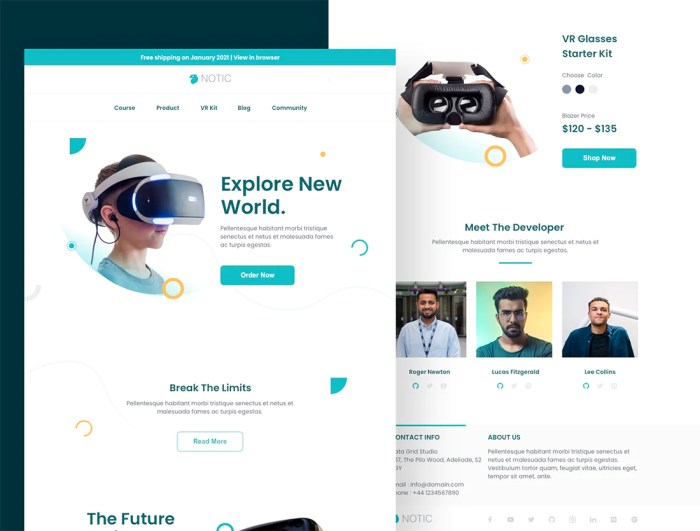
Email newsletter design trends have become essential for marketers seeking to engage their audience effectively. With evolving design elements and innovative layouts, these trends not only enhance visual appeal but also significantly boost user interaction. Understanding what resonates with readers is key to crafting newsletters that stand out in crowded inboxes.
In this rapidly changing digital landscape, it’s crucial to stay updated on the latest design strategies, from color schemes that pop to responsive designs that ensure optimal viewing across devices. This exploration will delve into current trends, best practices for effective email marketing, and how integrating various digital elements can elevate your email newsletters.
Current Trends in Email Newsletter Design
Email newsletters have evolved significantly, reflecting the changing preferences of users and advancements in technology. The latest design elements enhance readability, engagement, and overall aesthetic appeal. With a focus on creating visually striking and user-friendly layouts, designers aim to capture attention while delivering content effectively.Recent trends indicate a strong inclination towards minimalism and simplicity in email design. This approach not only makes the content more digestible but also emphasizes the key message without overwhelming the reader.
Popular newsletters are now incorporating innovative layouts and vibrant color schemes that evoke emotion and encourage interaction. Designers are experimenting with asymmetric designs and creative use of white space, ensuring that the newsletter is not just informative but also visually compelling.
Innovative Layouts and Color Schemes
The latest email newsletters showcase a variety of innovative layouts and color schemes that resonate with audiences. Some noteworthy trends include:
- Card-Based Layouts: This design style segments content into distinct “cards,” allowing for easy navigation. Each card can highlight a different topic, making the newsletter visually appealing and organized.
- Bold Typography: Large and striking fonts are often used for headings and calls to action, capturing attention quickly. This trend emphasizes readability across all devices and encourages users to engage with the content.
- Dynamic Color Palettes: Bright colors and gradients are gaining traction, creating a sense of energy and excitement. These palettes are often used strategically to guide the reader’s eye to important sections or offers.
- Image-Heavy Sections: Incorporating large, high-quality images helps to tell a story and create an emotional connection with the reader. This trend focuses on using visuals that complement the content, enhancing the overall narrative.
- Micro-Animations: Subtle animations during hover states or when loading can draw attention to specific areas or buttons, making the newsletter feel more interactive and engaging.
The significance of responsive design cannot be overstated. With a growing number of readers accessing emails through mobile devices, responsive design ensures that newsletters render beautifully across all screen sizes. This adaptability not only improves user experience but also enhances engagement rates, as newsletters that are easy to read on mobile devices are more likely to be opened and interacted with.
Responsive design is essential for increasing user engagement and ensuring that content is accessible anytime, anywhere.
Best Practices for Effective Email Marketing
Email marketing remains a powerful tool for businesses to connect with their audience, fostering engagement and driving conversions. To maximize the effectiveness of your email newsletters, implementing best practices is essential. Optimizing content, crafting enticing subject lines, and utilizing segmentation and personalization can significantly enhance your open rates and overall success.
Strategies for Optimizing Email Newsletter Content
To improve open rates, it is crucial to create content that resonates with your audience. This involves not only the quality of the content but also the way it is presented. Below are effective strategies to optimize your newsletter content:
- Deliver Value: Ensure that your newsletters provide meaningful information, updates, or offers that your audience finds beneficial. Value-driven content fosters loyalty and encourages readers to open future emails.
- Maintain Consistency: Establish a regular schedule for sending your newsletters. Consistency helps build anticipation among subscribers, making them more likely to look for your emails.
- Mobile Optimization: With many users accessing emails on mobile devices, ensure your newsletters are mobile-friendly. Use responsive design to allow easy reading and navigation.
- Clear Call-to-Action (CTA): Each newsletter should contain a clear and compelling CTA that encourages readers to take the desired action, whether it’s visiting your website or signing up for an event.
Creating Compelling Subject Lines
The subject line is the first impression of your email and plays a vital role in determining whether it will be opened. Crafting eye-catching subject lines can directly impact your open rates. Consider these tips for creating effective subject lines:
- Keep it Short and Sweet: Aim for 6-10 words that get straight to the point. Short subject lines are more likely to be fully read, especially on mobile devices.
- Use Action-Oriented Language: Encourage readers to take action by using strong verbs. Phrases like “Discover,” “Join us,” or “Unlock your offer” can motivate engagement.
- Incorporate Personalization: Including the recipient’s name or preferences can make your subject line feel tailored and relevant, increasing the likelihood of opens.
- Create Urgency: Phrases like “Limited Time Offer” or “Last Chance!” can instill a sense of urgency, prompting immediate action from readers.
The Role of Segmentation and Personalization
Segmentation and personalization are critical components of successful email marketing. By tailoring your content to specific audience segments, you can significantly enhance engagement and conversion rates. Here’s why they are essential:
- Improved Relevance: Segmenting your email list based on demographics, purchase history, or engagement levels allows you to send targeted content that resonates with each group.
- Higher Engagement Rates: Personalized emails that speak directly to the interests and needs of the recipient are more likely to be opened and acted upon.
- Increased Conversion Rates: Personalized recommendations based on previous purchases or browsing behavior can lead to higher sales and customer retention.
- Enhanced Customer Experience: Providing tailored content fosters a sense of understanding and appreciation, leading to stronger relationships between the brand and its audience.
Integrating Additional Digital Marketing Elements

Email newsletters serve as an essential component of a broader digital marketing strategy. By seamlessly integrating various elements, businesses can enhance their reach and engagement with audiences. Effective email newsletters can complement other marketing efforts, enriching the customer experience and driving conversions.
Complementing Banner Advertising Campaigns
Email newsletters can significantly enhance banner advertising campaigns by providing a cohesive marketing approach. When both channels are aligned, they can reinforce brand messaging and drive higher engagement rates. Consider implementing the following strategies to create synergy between your email newsletters and banner ads:
- Consistent Branding: Ensure that your email designs and banner ads share consistent visuals. This includes using the same color schemes, fonts, and logos to establish brand recognition.
- Cross-Promotion: Include links in your newsletters that direct subscribers to your banner advertisements. This can increase traffic to your website and improve click-through rates on ads.
- Targeted Messaging: Use data from your email campaigns to tailor your banner ads. If your newsletter highlights specific products, ensure that your banners reflect these items to create a unified promotional message.
Relationship Between Email Marketing and Blogging
Integrating blogging with email marketing is a powerful tactic for audience growth. Regularly sharing blog content through newsletters can drive traffic to your website and build a loyal readership. Key points to consider include:
- Content Sharing: Feature snippets of your blog posts in your newsletters, encouraging recipients to click through to read the full articles on your site.
- Benefits: Improved traffic from email newsletters can lead to better search engine rankings, as increased visits signal quality content to search engines.
- Lead Generation: Use blog content to capture leads by integrating sign-up forms or calls-to-action within blogs that direct readers to subscribe to your newsletters.
Incorporating Domain Names and Branding into Email Design
A well-structured email newsletter design that emphasizes your domain name and branding can significantly enhance recognition and trust. To effectively incorporate these elements into your email newsletters, consider the following plan:
- Branded Headers: Utilize a visually appealing header that prominently displays your logo and website URL. This ensures immediate recognition as readers open your email.
- Consistent Color Palette: Align your email’s color scheme with your domain branding to create a seamless experience. This visual consistency fosters brand loyalty and recognition.
- Signature Links: Include your domain name in the email footer with a tagline or a brief description of what your brand offers. This reinforces your brand message and encourages recipients to visit your website.
Outcome Summary
In conclusion, keeping abreast of email newsletter design trends can make a substantial difference in your marketing efforts. By implementing innovative design elements, optimizing content for engagement, and blending other digital strategies, you can create newsletters that not only capture attention but also encourage action. Embrace these trends to ensure your email marketing remains relevant and impactful.
FAQ Summary
What are the key elements of effective email newsletter design?
Key elements include a clean layout, responsive design, compelling visuals, and clear calls to action.
How often should I send email newsletters?
It depends on your audience and content strategy, but a regular schedule, such as weekly or monthly, tends to work well.
Can I use the same design for all my newsletters?
While consistency is important, consider adapting designs based on specific campaigns or seasonal themes for better engagement.
How can I measure the success of my email newsletters?
You can measure success through open rates, click-through rates, and conversion rates, among other key performance indicators.
What role does personalization play in email newsletters?
Personalization increases relevance, making content more appealing and improving engagement rates with tailored messaging.