eBook lead magnets for email marketing have become essential tools for businesses looking to expand their reach and build meaningful connections with potential customers. These resources not only provide valuable information to readers but also serve as an effective way to capture email leads, making them a cornerstone of successful email marketing strategies. By understanding their importance and implementing effective promotional techniques, marketers can significantly enhance their email lists and engagement rates.
In this discussion, we will explore how to create compelling eBooks that resonate with your target audience, the design aspects that make them visually appealing, and how to integrate them seamlessly into your email marketing campaigns. From crafting content to automating email sequences, you’ll gain insights into leveraging eBooks to maximize your lead generation efforts.
Importance of eBook Lead Magnets in Email Marketing
eBook lead magnets have become a pivotal strategy in email marketing, providing businesses with a way to effectively capture and engage potential customers. By offering valuable content in exchange for contact information, businesses can not only grow their email lists but also build a relationship with their audience. The allure of a well-crafted eBook can draw in prospects who are eager to learn more about specific topics or solve particular problems.The effectiveness of eBook lead magnets lies in their ability to deliver in-depth knowledge and insights.
Unlike shorter forms of content such as blog posts or infographics, eBooks allow businesses to delve deeper into subjects, offering comprehensive guides that can educate and inform readers. This increased value enhances the likelihood of prospects willingly providing their email addresses to access the content.
Benefits of Using eBooks Over Other Types of Lead Magnets
Utilizing eBooks as lead magnets brings several advantages compared to other formats. The benefits include:
- In-Depth Content: eBooks provide substantial information, allowing businesses to cover topics thoroughly. This depth can significantly enhance the perceived value for the reader.
- Establishing Authority: By offering well-researched and professionally designed eBooks, businesses can establish themselves as thought leaders in their industry, building trust with potential customers.
- Longer Engagement: Readers are likely to spend more time engaging with an eBook compared to shorter content, increasing the chances of them converting into customers later.
- Easier Retargeting: eBooks can be segmented based on topics, allowing marketers to retarget readers with related offers in the future, enhancing the lead nurturing process.
- Shareability: eBooks are often shared among peers, amplifying reach and generating more leads as recipients are likely to sign up themselves to access the content.
Strategies for Promoting eBook Lead Magnets Effectively
To maximize the reach and effectiveness of eBook lead magnets, implementing strategic promotional tactics is essential. These strategies can include:
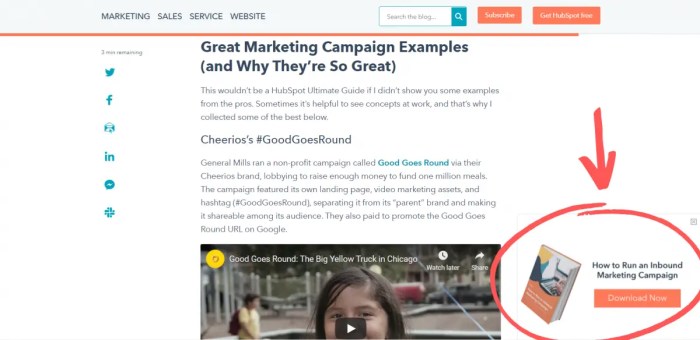
- Website Pop-Ups: Use pop-ups on your website to promote the eBook, ensuring they are timed appropriately to avoid annoying visitors.
- Social Media Campaigns: Engage your audience on social media platforms by sharing snippets or quotes from the eBook, along with a call-to-action to download the full version.
- Email Marketing: Leverage your existing email list by sending targeted emails that highlight the benefits of the eBook, encouraging subscribers to share it with their networks.
- Landing Pages: Create dedicated landing pages where visitors can learn about the eBook’s content and benefits, leading them easily to the sign-up form.
- Content Upgrades: Offer the eBook as a content upgrade in relevant blog posts, providing additional value to readers while capturing leads.
“An effective lead magnet should not only attract but also retain the interest of potential customers.”
Creating Compelling eBooks for Lead Generation
Creating an engaging eBook is crucial for effectively capturing leads in email marketing. A well-crafted eBook not only attracts attention but also builds trust and establishes authority in your niche. By focusing on the needs and interests of your target audience, you can develop content that resonates and encourages readers to share their contact information in exchange for valuable insights.To create an impactful eBook, it’s essential to combine strong writing with appealing design.
This not only ensures the content is well-received but also enhances the overall user experience. Below are steps to consider when writing and designing your eBook for maximum lead generation.
Steps for Writing an Engaging eBook Tailored to a Target Audience
Understanding your audience is the first step in creating a compelling eBook. Here are some essential steps to consider:
1. Identify Your Target Audience
Use market research and analytics to determine who your ideal readers are. Understand their pain points, interests, and what type of content they consume.
2. Choose a Relevant Topic
Select a topic that addresses the needs or challenges faced by your audience. Consider using tools like Google Trends or social media polls to gauge interest in potential topics.
3. Artikel the Content
Create a structured Artikel to organize your thoughts and ensure a logical flow. A clear Artikel helps maintain focus and keeps readers engaged.
4. Draft the eBook
Write content that is informative, actionable, and easy to understand. Use a conversational tone to make it relatable. Include personal anecdotes or case studies to illustrate your points.
5. Edit and Revise
Take time to review your draft. Look for clarity, grammar, and flow. Consider getting feedback from peers or target audience members to refine your content.
6. Incorporate Calls to Action
Strategically place calls to action throughout your eBook to guide readers toward the next steps, whether that be subscribing to your newsletter or visiting your website.
Methods for Designing Visually Appealing eBooks
Design plays a pivotal role in attracting readers and enhancing their experience. Here are effective design methods to keep in mind:
1. Use Consistent Branding
Incorporate your brand colors, fonts, and logo to create a cohesive look. This helps reinforce brand identity and fosters familiarity.
2. Incorporate High-Quality Images
Use relevant and high-resolution images to break up text and add visual interest. Infographics and charts can effectively present complex information and data.
3. Choose Readable Fonts
Select fonts that are easy to read both on screens and in print. A combination of sans-serif fonts for headings and serif fonts for body text often works well.
4. Utilize White Space
Ensure there is ample white space in your design. This prevents text from feeling crowded and makes it easier for readers to digest information.
5. Implement a Table of Contents
A clear table of contents allows readers to navigate your eBook easily. It enhances user experience and encourages them to explore various sections.
6. Include Interactive Elements
If possible, add clickable links, videos, or quizzes to make the eBook interactive. This engagement can keep readers interested and encourage them to share the eBook.
Organizing Content for Maximum Reader Engagement and Retention
Organizing your eBook content effectively is key to ensuring reader engagement. Here are tips to create an engaging structure:
1. Start with a Strong Introduction
Begin with a compelling introduction that Artikels what readers can expect. Mention the benefits of reading the eBook and how it addresses their needs.
2. Segment Content into Clear Sections
Break up your content into manageable sections with subheadings. This improves readability and allows readers to find relevant information quickly.
3. Use Bullet Points and Lists
Presenting information in bullet points or numbered lists helps highlight key points and makes it easier for readers to absorb information.
4. Incorporate Summary Boxes
Use summary boxes at the end of sections to recap important takeaways. This reinforces learning and aids retention.
5. End with a Strong Conclusion
Wrap up the eBook with a conclusion that summarizes key points and encourages readers to take further action, such as visiting your website or signing up for a newsletter.
6. Solicit Feedback
Encourage readers to provide feedback on the eBook’s content and design. This not only fosters engagement but also helps you improve future editions.By following these steps and methods, you can create an eBook that not only captivates your audience but also serves as a powerful lead generation tool in your email marketing strategy.
Integrating eBooks with Email Marketing Campaigns
Incorporating eBooks into your email marketing strategy can significantly enhance your lead generation efforts. By blending these valuable resources with targeted email campaigns, you not only engage your audience effectively but also cultivate a nurturing environment for potential customers. This section explores how to seamlessly integrate eBooks with your email marketing initiatives, ensuring that your efforts yield maximum results.
Setting Up Automated Email Sequences to Promote eBooks
Automating your email sequences is crucial for efficiently promoting your eBooks. This process allows you to deliver timely and relevant content to your subscribers without the need for constant manual effort. To set up an automated email sequence, follow these steps:
1. Choose Your Email Marketing Platform
Select a platform that supports automation, such as Mailchimp, ConvertKit, or ActiveCampaign.
2. Create a Landing Page
Develop a landing page for your eBook. This page should highlight its benefits and include an opt-in form for visitors to download it.
3. Design the Email Sequence
Create a series of emails that will be sent automatically after someone downloads your eBook. This sequence can include:
A welcome email with a download link.
Follow-up emails providing additional tips related to the eBook content.
A feedback email asking for the user’s thoughts on the eBook and inviting further engagement.
4. Set Triggers
Configure triggers based on actions. For instance, send the first email upon download and subsequent emails at set intervals, such as one week later.
5. Analyze and Optimize
Regularly review the performance of your email sequence, adjusting content and timing based on engagement metrics like open rates and click-through rates.
Segmenting Email Lists Based on eBook Downloads
Segmentation of your email lists is essential to tailor your communication effectively. By categorizing subscribers based on their eBook downloads, you can send targeted messages that resonate with their interests. Consider the following best practices for segmenting your email lists:
Identify Key Segments
Start by analyzing the topics of your eBooks. Group subscribers based on the specific eBook they downloaded. For example, if you offer an eBook on social media marketing and another on email strategy, create distinct segments for each.
Use Tags or Custom Fields
Utilize tags or custom fields within your email marketing platform to mark subscribers based on their downloads. This makes it easy to track and manage segments.
Personalize Content
Tailor your email content to meet the interests of each segment. For instance, if a subscriber downloaded a technical eBook, send them advanced resources or invite them to webinars related to that topic.
Monitor Engagement
Keep an eye on how different segments engage with your emails. This data can inform future content creation and segmentation strategies.
Enhancing Ongoing Email Marketing Efforts with eBooks
Utilizing eBooks can significantly enrich your ongoing email marketing campaigns. Here are some techniques to enhance your existing efforts:
Lead Nurturing Campaigns
Use eBooks as part of a lead nurturing strategy. Once a subscriber engages with your eBook, send them a series of emails that gradually introduce them to your products or services.
Cross-Promote Content
Include links to related blog posts or resources in your follow-up emails. This keeps your audience engaged and encourages them to explore more of your content.
Incorporate User-Generated Content
Encourage readers to share their insights or experiences related to the eBook. Feature their testimonials or case studies in future emails to build community and trust.
Regularly Update eBooks
Refresh your eBooks with the latest information and trends. Promote these updated versions to your email list, giving existing subscribers a reason to re-engage and providing new subscribers with valuable content.
Integrating eBooks into your email marketing strategies not only attracts leads but also fosters lasting relationships with your audience.
Final Review
In conclusion, eBook lead magnets for email marketing represent a powerful strategy for businesses eager to grow their lists and engage with potential customers. By creating well-crafted eBooks and implementing effective promotion and integration techniques, you can unlock the full potential of your email marketing efforts. Remember, the right lead magnet not only captures attention but also nurtures relationships that can lead to lasting customer loyalty.
FAQ Overview
What is an eBook lead magnet?
An eBook lead magnet is a valuable digital resource offered for free in exchange for a user’s email address, aimed at attracting and capturing leads for email marketing.
How do I promote my eBook lead magnet?
You can promote your eBook lead magnet through social media, blog posts, newsletters, and targeted ads to reach your specific audience.
What should I include in my eBook?
Include informative content, actionable insights, engaging visuals, and a clear call to action that encourages readers to sign up for your email list.
How do I measure the success of my eBook lead magnet?
Track metrics such as download rates, conversion rates, and email engagement to assess the effectiveness of your eBook as a lead magnet.
Can I use eBooks for other marketing purposes?
Yes, eBooks can be utilized for content marketing, social media promotions, and as resources for webinars or workshops to further engage your audience.