Influencer marketing in digital campaigns has become a transformative force in the marketing landscape, merging creativity with strategic outreach to capture audiences effectively.
This approach leverages the power of social media platforms, where influencers act as trusted voices, connecting brands with potential customers. By understanding the dynamics of influencer partnerships and the strategies behind them, businesses can engage their target demographics in meaningful ways.
Overview of Influencer Marketing
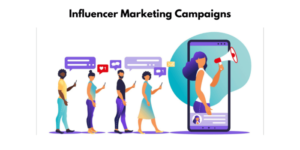
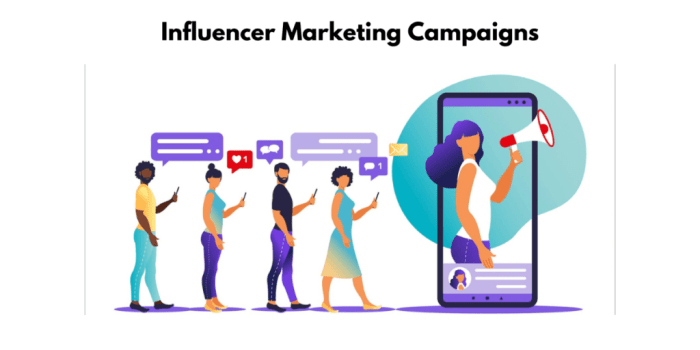
Influencer marketing has emerged as a significant strategy in the realm of digital campaigns, harnessing the power of social media to connect brands with their target audiences. This approach leverages individuals who have established credibility and a loyal following within specific niches to promote products or services, ultimately driving engagement and conversions.In essence, influencer marketing involves collaboration between brands and social media influencers, who create authentic content that resonates with their followers.
Social media platforms such as Instagram, TikTok, and YouTube play crucial roles in these collaborations, offering influencers a stage to share their experiences with brands in relatable ways. This not only enhances brand visibility but also helps in building trust with potential customers.
Key Factors in Successful Influencer Partnerships
For brands looking to engage in influencer marketing, understanding the essential elements that contribute to successful partnerships is vital. Here are the key factors that can make or break these collaborations:
Alignment of Values
Successful partnerships are built on shared values. Brands should partner with influencers whose beliefs and aesthetic align with their own, ensuring a genuine representation of the brand.
Target Audience Compatibility
Identifying influencers whose followers match the brand’s target demographic is crucial. This consideration ensures that the content reaches the right audience, maximizing potential engagement.
Content Authenticity
Authentic content is what drives consumer trust. Influencers should be encouraged to create honest and relatable content that reflects their personal experiences with the brand’s offerings.
Engagement Rates
Rather than focusing solely on follower count, brands should assess an influencer’s engagement rates. High interaction levels indicate an active audience that values the influencer’s opinions.
Clear Communication
Effective communication is key to any partnership. Both the brand and the influencer must have a mutual understanding of expectations, deliverables, and compensation to avoid misunderstandings.
Performance Metrics
Establishing clear metrics to evaluate the success of influencer campaigns is essential. This can include tracking engagement rates, conversion rates, and overall ROI.
Long-term Relationships
Building long-term collaborations rather than one-off campaigns often leads to better results. Sustained partnerships can create a more profound connection between the brand and the influencer’s audience.
“Successful influencer partnerships are built on alignment, authenticity, and mutual benefit.”
These factors, when effectively combined, can significantly enhance the outcomes of influencer marketing campaigns, leading to increased brand awareness and loyalty among consumers.
Strategies for Implementing Influencer Marketing
Influencer marketing has become an essential component of digital marketing strategies. Crafting an effective influencer marketing strategy involves several key steps that can optimize collaboration and amplify brand messages.Creating an effective influencer marketing strategy starts with defining clear objectives and understanding your target audience. Once these elements are in place, brands can select appropriate influencers and devise a campaign that resonates with both the influencer’s followers and the brand’s messaging.
Steps to Create an Effective Influencer Marketing Strategy
The following steps Artikel a structured approach to developing an influencer marketing strategy:
1. Define Objectives
Establish what you aim to achieve with your influencer marketing campaign, whether it’s brand awareness, engagement, or sales.
2. Identify Your Target Audience
Analyze your audience demographics, interests, and online behavior to tailor your influencer selection.
3. Select the Right Influencers
Look for influencers whose audience aligns with your target demographic. Consider factors such as engagement rate, follower count, and content relevance.
4. Create Compelling Campaigns
Develop clear guidelines on campaign goals, messaging, and content types. Ensure the campaign allows influencers creative freedom while staying true to your brand.
5. Set a Budget
Determine how much you’re willing to invest in the campaign, including influencer fees, production costs, and promotional expenses.
6. Implement the Campaign
Launch the campaign while maintaining communication with the influencers to ensure alignment and address any issues.
7. Measure and Analyze Results
After the campaign, assess its performance using established metrics to gauge success and inform future campaigns.
Approaches to Selecting Influencers for Campaigns
Selecting the right influencers is crucial for the success of an influencer marketing campaign. Here are two common approaches to consider:
Micro-Influencers
These influencers typically have a smaller following (1,000 to 100,000) but often enjoy higher engagement rates and more authentic relationships with their audience. They can be a cost-effective choice for brands looking to tap into niche markets.
Macro-Influencers and Celebrities
With a larger following (over 100,000), these influencers can provide significant reach. However, they may not always offer the same level of engagement as micro-influencers. Brands often collaborate with them for broader exposure.Both strategies have their merits, and the choice depends on the campaign goals and the target audience.
Methods to Measure the Success of Influencer Marketing Initiatives
Measuring the success of influencer marketing initiatives is vital for understanding impact and optimizing future strategies. Here are key methods to evaluate effectiveness:
Engagement Metrics
Analyze likes, shares, comments, and overall engagement rates on posts to assess audience interaction.
Reach and Impressions
Track how many people saw the content and the total number of times it was displayed to gauge visibility.
Website Traffic
Use tools like Google Analytics to monitor referral traffic from influencer posts, indicating how many visitors came to your site.
Sales and Conversions
Implement tracking links or promo codes to measure direct sales resulting from the influencer campaign.
Sentiment Analysis
Monitor social media conversations and feedback to understand public perception and brand sentiment post-campaign.By systematically evaluating these metrics, brands can gain insights into the performance of their influencer marketing campaigns and make data-driven decisions for future initiatives.
Related Digital Marketing Tactics

In the dynamic world of digital marketing, influencer marketing stands out as a powerful tool to engage audiences. However, its effectiveness can be significantly enhanced when integrated with other digital marketing strategies. This segment explores how banner advertising, domain naming, and email marketing can work in synergy with influencer campaigns to maximize brand visibility and engagement.
Banner Advertising and Influencer Marketing
Banner advertising serves as a complementary strategy to influencer marketing by reinforcing brand messages across multiple touchpoints. When influencers promote a product or service, displaying banner ads on relevant platforms ensures that the audience encounters the brand consistently.The combination of these tactics not only strengthens brand recall but also improves the overall marketing effectiveness. Consider the following benefits of integrating banner advertising with influencer marketing:
- Increased Brand Visibility: Banner ads remind users of the products endorsed by influencers, making them more likely to convert.
- Targeting Capabilities: Digital banners can be strategically placed on websites that align with the influencer’s audience, ensuring the right message reaches the right people.
- Data Collection: Analytics from banner ad performance can provide insights into user behavior, helping refine future influencer partnerships.
Importance of Domain Names and Branding in Influencer Campaigns
A strong domain name is crucial in influencer marketing as it serves as the online hub for the brand’s messaging and offerings. When influencers direct their followers to a specific domain, a memorable and relevant domain name can enhance user experience and increase trust.The right domain name should reflect the brand’s identity and be easy to recall. Consider the following aspects regarding domain names:
- Brand Recognition: A well-chosen domain name echoes the influencer’s message and creates a cohesive brand experience.
- Benefits: Including s in the domain can improve search engine rankings, making it easier for potential customers to find the brand.
- Professionalism: A custom domain lends credibility to the campaign, encouraging users to engage and explore more.
Integrating Email Marketing with Influencer Collaborations
Email marketing can play a pivotal role in amplifying the reach and effectiveness of influencer collaborations. By using email as a communication channel, brands can nurture leads and maintain engagement with their audience.To leverage email marketing effectively in conjunction with influencer campaigns, consider the following strategies:
- Personalized Content: Craft emails that reflect the influencer’s voice and personality to create a more authentic connection with the audience.
- Exclusive Offers: Collaborate with influencers to provide exclusive promotions or discounts to email subscribers, boosting conversion rates.
- Campaign Recaps: Use email newsletters to recap successful campaigns featuring influencers, sharing highlights and testimonials to build credibility.
Wrap-Up
In conclusion, influencer marketing in digital campaigns is not just about collaboration; it’s about building authentic relationships that drive results. As brands continue to embrace this innovative strategy, the possibilities for engagement and growth are limitless, paving the way for a new era of marketing success.
Question Bank
What is influencer marketing?
Influencer marketing is a strategy where brands collaborate with individuals who have a significant following on social media to promote their products or services.
How do I choose the right influencer for my brand?
Consider factors like the influencer’s audience demographics, engagement rates, and alignment with your brand values to ensure a good match.
What platforms are best for influencer marketing?
Instagram, TikTok, and YouTube are popular platforms for influencer marketing due to their visual nature and large user bases.
How can I measure the success of an influencer campaign?
Track key metrics such as engagement rates, reach, conversion rates, and return on investment (ROI) to evaluate the effectiveness of your campaigns.
What are common challenges in influencer marketing?
Challenges can include finding the right influencers, ensuring authenticity, and managing campaign logistics effectively.