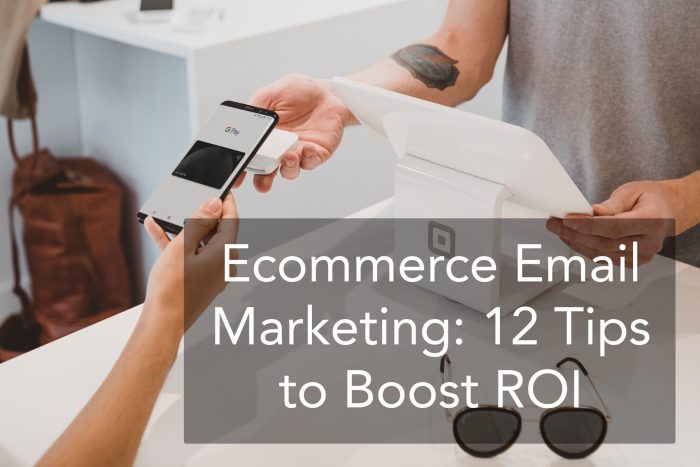
Email marketing for ecommerce is a powerful tool that can significantly boost sales and customer engagement. It allows businesses to connect directly with their target audience, delivering personalized content that resonates with individual preferences.
This strategy involves effective email segmentation, crafting compelling subject lines, and integrating efforts with other marketing channels to foster a cohesive brand experience. With the right approach, ecommerce brands can nurture customer relationships and drive repeat purchases through targeted campaigns.
Email Marketing Strategies for Ecommerce
Email marketing has become an essential tool for ecommerce businesses looking to engage customers and drive sales. By leveraging effective strategies, businesses can enhance their outreach and foster customer loyalty. This guide will explore key email marketing strategies specifically focused on segmentation, personalization, and crafting compelling subject lines to boost engagement.
Email Segmentation Techniques
Effective email segmentation allows ecommerce businesses to tailor their messages to specific customer groups, enhancing the relevance and impact of their campaigns. By categorizing subscribers based on various criteria, businesses can deliver content that resonates more deeply with their audience. Here are some effective segmentation techniques:
- Demographic Segmentation: Group customers based on age, gender, location, and other demographic factors to send targeted promotions that appeal to specific groups.
- Behavioral Segmentation: Analyze customer behavior, such as purchase history and website interactions, to tailor emails according to their preferences and past purchases.
- Engagement Segmentation: Segment customers based on their engagement levels, such as open rates and click-through rates, allowing businesses to re-engage inactive subscribers or reward loyal customers.
- Lifecycle Segmentation: Target customers according to their position in the buying journey, whether they are new subscribers, first-time buyers, or repeat customers, enabling customized messaging.
Importance of Personalized Email Campaigns
Personalized email campaigns significantly enhance customer engagement by making recipients feel valued and understood. When customers receive emails tailored to their interests and previous interactions, they are more likely to open the email, click on links, and ultimately make a purchase. According to studies, personalized emails can deliver six times higher transaction rates than non-personalized ones.
“Our data shows that personalized subject lines can increase open rates by as much as 50%.”
Incorporating customer names, recommending products based on past purchases, or highlighting items related to their browsing activity fosters a sense of connection. This strategy not only increases engagement but also builds customer loyalty over time.
Best Practices for Compelling Email Subject Lines
The subject line is the first impression your email makes on a subscriber, and a compelling subject line can significantly impact open rates. Crafting effective subject lines requires creativity and an understanding of your audience. Here are best practices to consider:
- Keep it Short: Aim for subject lines that are concise and to the point, ideally under 50 characters, ensuring they display well on mobile devices.
- Create Urgency: Use time-sensitive language to encourage immediate action, such as “Limited Time Offer” or “Sale Ends Soon.”
- Use Personalization: Incorporate the recipient’s name or past purchases to make the subject line feel tailored to them.
- Be Clear and Direct: Clearly convey the value or benefit of opening the email, avoiding vague language that may confuse readers.
- Test Different Approaches: Conduct A/B testing on subject lines to determine what resonates best with your audience, allowing for data-driven improvements.
Integration of Email Marketing with Other Channels
Integrating email marketing with other channels can significantly enhance the overall effectiveness of your marketing strategy. By leveraging multiple platforms, eCommerce brands can create a cohesive message that resonates with their audience across different touchpoints. This synergy not only drives engagement but also boosts conversions.
Role of Banner Advertising
Banner advertising plays a crucial role in complementing email marketing efforts. When strategically integrated, banners can reinforce the messaging found in your email campaigns, creating a consistent experience for users. This dual approach can enhance brand recall and encourage users to take action. Banner ads can serve as reminders for ongoing promotions or highlight new product launches that are also featured in emails.For effective integration of banner advertising with email marketing, consider the following strategies:
- Use consistent visuals and messaging across emails and banners to strengthen brand identity.
- Implement retargeting strategies so that users see banner ads for products they’ve previously engaged with in emails.
- Incorporate clear calls-to-action in your banners that align with email campaigns, directing users to the same landing pages.
Designing an Integrated Marketing Strategy
Creating an integrated marketing strategy that includes email, social media, and blogging is essential for maximizing outreach and engagement. Each channel complements the others, allowing for a comprehensive approach to customer interaction and content distribution. When designing this strategy, keep in mind the following elements:
- Utilize email to share exclusive content from your blog, encouraging subscribers to visit your website.
- Promote your email sign-up on social media platforms, enticing followers with special offers or unique content.
- Repurpose popular blog posts into email newsletters or social media posts, driving traffic back to your site and maintaining consistent messaging.
Examples of Successful eCommerce Brands
Several eCommerce brands have successfully integrated email marketing with ezine publishing to create a strong online presence. Notable examples include:
- Casper: The mattress company uses a blend of engaging email campaigns and informative ezines that provide value to customers through expert advice on sleep health.
- Birchbox: By combining email marketing with curated content in their newsletters, Birchbox effectively promotes their subscription service while educating customers about beauty products.
- Warby Parker: This eyewear brand utilizes email marketing to share stories and insights alongside promotional content, enhancing customer loyalty and engagement.
These brands showcase the effectiveness of integrating email with other marketing channels to create a harmonious and impactful customer experience.
Building and Managing an Email List for Ecommerce

Capturing and managing a robust email list is crucial for ecommerce businesses, as it directly impacts customer engagement and sales. A well-maintained email list not only allows for personalized marketing but also enhances communication with potential and existing customers, fostering loyalty.One effective method to capture email addresses from website visitors is through strategic placement of sign-up forms. Utilizing pop-ups, landing pages, and footer forms can significantly increase visibility.
Offering incentives such as exclusive discounts, free shipping, or access to members-only sales can entice visitors to provide their email addresses. It’s essential to ensure that the sign-up process is straightforward and requires minimal effort from the user.
Methods for Capturing Email Addresses
Implementing various techniques to encourage email sign-ups is vital for growing your email list. Here are some effective strategies:
- Pop-Up Forms: Timed or exit-intent pop-ups can grab the attention of visitors before they leave the site. Make it visually appealing and clear about the benefits of signing up.
- Incentives and Offers: Providing discounts or freebies upon signing up increases the likelihood of visitors sharing their email addresses. For instance, a 10% discount on the first purchase can create immediate interest.
- Social Media Integration: Promote your email list through social media channels. Use engaging posts that encourage followers to subscribe for exclusive content or offers.
- Content Upgrades: For blog posts, offer downloadable content or guides in exchange for email subscriptions. This adds value and entices visitors to join the list.
- Referral Programs: Implement a referral program where existing subscribers can invite friends in exchange for rewards. This not only grows the list but also builds community.
Maintaining and cleaning an email list is a vital step in enhancing deliverability and ensuring effective outreach. A systematic approach to managing your list leads to better engagement rates.
Step-by-Step Process for Maintaining and Cleaning an Email List
Regularly cleaning your email list helps maintain a healthy subscriber base, ultimately improving the success of your email campaigns. Here’s a structured process to keep your list in optimal shape:
- Regularly Remove Inactive Subscribers: Identify and remove subscribers who haven’t engaged with your emails over a specific period, such as six months to a year.
- Update Contact Information: Allow subscribers to easily update their preferences and contact details to ensure your list remains accurate and relevant.
- Segment Your List: Group subscribers based on their behavior and preferences. Tailored campaigns lead to higher engagement rates and lower unsubscribe rates.
- Monitor Bounce Rates: Keep an eye on hard bounces and promptly remove addresses that consistently fail to receive your emails.
- Conduct Regular List Cleaning: Use email verification tools to identify invalid email addresses and reduce the risk of deliverability issues.
An important aspect of email marketing is to use domain names that inspire trust and credibility. The domain name not only represents your brand but also influences the perception of your emails.
Importance of Trustworthy Domain Names
A recognizable and trustworthy domain name can significantly affect open rates and engagement. Here are critical points highlighting its importance:
- Brand Recognition: A consistent domain that aligns with the brand helps subscribers recognize your emails instantly.
- Deliverability Rates: Emails sent from reputable domains have a higher chance of avoiding spam filters, ensuring that your messages reach the inbox.
- Professional Image: Utilizing a custom domain enhances your brand’s professional image, fostering trust among subscribers.
- Security Perception: Domains with SSL certificates are perceived as more secure, increasing the likelihood that subscribers will open your emails.
Regularly evaluating your email list and using a trustworthy domain can dramatically improve your email marketing outcomes, leading to higher engagement and sales conversions.
Final Conclusion
In conclusion, mastering email marketing for ecommerce is essential for any online business looking to enhance customer engagement and drive conversions. By implementing best practices, integrating with other marketing strategies, and effectively managing an email list, businesses can create a powerful tool that not only reaches customers but also builds lasting relationships.
Q&A
What is email segmentation?
Email segmentation is the practice of dividing your email list into specific groups based on criteria like demographics, purchase history, or engagement level to tailor your messaging to different audiences.
How do I increase my email open rates?
To increase open rates, focus on crafting engaging subject lines, using personalization, and optimizing send times based on when your audience is most likely to check their emails.
Why is email list cleaning important?
Email list cleaning ensures that your list remains up-to-date by removing inactive subscribers, which helps improve deliverability rates and overall campaign performance.
Can I use email marketing along with social media?
Absolutely! Integrating email marketing with social media enhances your reach, allowing you to engage with customers across multiple platforms and create a unified brand experience.
What role does trust play in email marketing?
Trust is crucial in email marketing; using a reputable domain name and maintaining transparency in your communications helps build credibility and encourages subscribers to engage with your content.