Kicking off with Conversion rate optimization for ecommerce, it’s essential to understand how even minor tweaks can significantly boost your online sales. In today’s competitive marketplace, merely attracting visitors to your site isn’t enough; converting those visitors into paying customers is the ultimate goal. A well-executed optimization strategy not only improves the user experience but also increases engagement, ultimately leading to higher conversion rates.
This process involves understanding various components such as user behavior, website design, and targeted marketing efforts. By measuring effectiveness and implementing targeted strategies, businesses can create a seamless shopping experience that encourages purchases. From optimizing product pages to leveraging digital marketing tactics, every aspect plays a role in enhancing conversion rates.
Understanding Conversion Rate Optimization
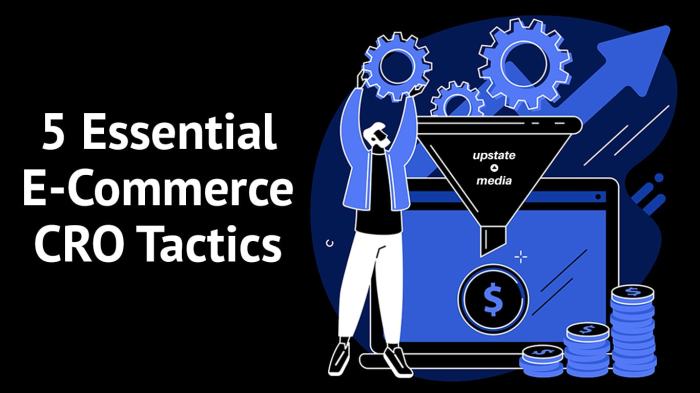
Conversion rate optimization (CRO) is a critical aspect of ecommerce that focuses on increasing the percentage of visitors who complete desired actions on a website, such as making a purchase or signing up for a newsletter. In the competitive world of online shopping, effectively optimizing conversion rates can lead to significant revenue growth and improved customer satisfaction. Implementing thoughtful strategies in this area not only enhances the user experience but also maximizes the return on investment in marketing efforts.To achieve successful conversion rates, several key components must be in place.
These include website design, user experience, compelling product descriptions, effective call-to-action buttons, and trust signals. Each element plays a vital role in guiding potential customers through the purchasing funnel, ultimately leading them to complete their transactions. By focusing on these components, ecommerce businesses can create a seamless and engaging shopping experience that encourages conversion.
Components of Successful Conversion Rates
Understanding the key components that drive conversion rates helps ecommerce businesses tailor their strategies effectively. Here are the essential factors that contribute to successful conversions:
- Website Design: An attractive and intuitive website layout can significantly influence user engagement. Clean navigation and a mobile-responsive design ensure that visitors find what they need quickly and effortlessly.
- User Experience (UX): A positive UX involves fast loading times, easy checkout processes, and minimal distractions. Enhancing UX encourages users to stay longer and increases the likelihood of conversion.
- Compelling Product Descriptions: Clear, concise, and persuasive descriptions can effectively communicate the value of products. Including high-quality images and videos further aids in capturing customer interest.
- Effective Call-to-Action (CTA): Well-placed and compelling CTAs guide users toward the next step in the purchasing process. Action-oriented language and contrasting colors can increase click-through rates.
- Trust Signals: Incorporating elements like customer reviews, security badges, and money-back guarantees can help build trust with potential buyers, easing any concerns they may have about purchasing online.
Measuring conversion rates effectively is crucial to understanding and improving performance. The conversion rate can be calculated using the formula:
Conversion Rate = (Number of Conversions / Total Visitors) x 100
By tracking this metric over time, businesses can identify trends, test different strategies, and make data-driven decisions. Moreover, utilizing tools like Google Analytics and heatmaps can provide valuable insights into user behavior, highlighting areas for improvement. Regularly analyzing this data allows ecommerce businesses to adapt their strategies, ultimately enhancing their conversion rates and driving growth.
Strategies for Enhancing Ecommerce Conversion Rates
Enhancing conversion rates in ecommerce is crucial for maximizing the profitability of online stores. By strategically improving various aspects of your website, you can create a more engaging experience that encourages visitors to complete their purchases. This section Artikels actionable tactics to enhance user experience, optimize product pages, and implement effective call-to-action buttons.
User Experience Enhancement Tactics
A seamless user experience is fundamental to keeping potential customers engaged. Here are some strategies to improve the overall usability of your website:
- Responsive Design: Ensure your website is mobile-friendly, allowing easy navigation on various devices. A considerable percentage of users shop via smartphones, and a responsive design enhances their experience.
- Fast Loading Times: Optimize images and scripts to reduce loading times. A website that loads in under three seconds can significantly decrease bounce rates.
- Simple Navigation: Create a clear and intuitive menu structure. Users should be able to find products quickly without feeling overwhelmed.
- Search Functionality: Implement a robust search feature with auto-suggestions to help users quickly locate products. Include filters to enhance product discovery.
- User Reviews and Ratings: Feature customer testimonials and product ratings prominently. This builds trust and provides social proof that can influence purchasing decisions.
Product Page Optimization Guide
Optimizing product pages is essential for converting visitors into buyers. Key elements to focus on include:
- High-Quality Images: Use professional images that showcase your product from multiple angles. Consider including a zoom feature to allow customers to see details.
- Compelling Product Descriptions: Craft engaging and informative descriptions that highlight the benefits and unique features of the product. Use bullet points for easy readability.
- Pricing Clarity: Be transparent about pricing, including any additional costs like shipping or taxes. A well-structured pricing display can reduce cart abandonment.
- Inventory Status: Clearly indicate stock levels. Phrases like “Only 3 left in stock!” can create urgency and encourage quicker purchasing decisions.
- Related Products: Suggest similar or complementary items to encourage additional purchases. This strategy can effectively increase average order value.
Effective Call-to-Action Button Implementation
The call-to-action (CTA) buttons on your site play a critical role in guiding user behavior. To ensure your CTAs are effective, consider the following best practices:
- Visibility: CTAs should stand out visually. Use contrasting colors that align with your brand but ensure they are prominent enough to catch the eye.
- Action-Oriented Text: Use clear, compelling language that prompts action. Instead of “Submit,” use “Get My Discount” or “Shop Now” to create a sense of urgency.
- Strategic Placement: Position CTAs where users naturally look. Common locations include above the fold, after product descriptions, or at the end of blog posts.
- Testing Different Variants: Conduct A/B testing to find the most effective button designs and texts. Analyzing user interaction can lead to significant improvements.
- Feedback Mechanisms: Implement hover effects or animations to provide feedback when users interact with the CTA buttons, making the experience more engaging.
The Role of Digital Marketing in Conversion Rate Optimization

Digital marketing plays a pivotal role in enhancing conversion rates for ecommerce businesses by utilizing various strategies to engage potential customers effectively. By leveraging tools such as email marketing, banner advertising, and other internet marketing techniques, businesses can optimize their online presence, drive traffic, and ultimately convert visitors into loyal customers.
Email Marketing Enhances Conversion Rates
Email marketing serves as a powerful tool for boosting conversion rates in ecommerce. It allows businesses to reach potential customers directly in their inboxes, making it a personal form of communication. A well-crafted email can lead to high engagement and conversion rates, especially when tailored to the preferences and behaviors of the target audience. Key benefits of email marketing include:
- Personalization: Tailoring emails based on user behavior and preferences can significantly increase open and click-through rates.
- Segmentation: Dividing the email list into targeted segments allows for more relevant messaging, which can enhance performance.
- Automation: Automated campaigns, such as cart abandonment reminders, can recover lost sales and boost conversion rates without ongoing manual effort.
According to a report by the Data & Marketing Association, for every $1 spent on email marketing, the average return on investment is $42, highlighting its effectiveness in driving conversions.
Impact of Banner Advertising on User Engagement and Conversions
Banner advertising, when strategically placed on relevant websites, can significantly enhance user engagement and boost conversion rates. These visually appealing ads can capture the attention of potential customers and encourage them to explore products or services further.The effectiveness of banner ads can be attributed to:
- Visual Appeal: Well-designed banners use compelling graphics and clear calls-to-action that draw users in.
- Retargeting: Displaying ads to users who have previously visited the site can remind them of products they viewed, increasing the likelihood of conversion.
- Brand Awareness: Consistent exposure through banner ads helps reinforce brand recognition, which can lead to increased trust and purchase likelihood.
Studies show that retargeted ads can result in a conversion rate that is 10 times higher than standard display ads, making banner advertising a crucial component of a comprehensive digital marketing strategy.
Comparison of Internet Marketing Techniques and Their Effectiveness
Understanding the effectiveness of different internet marketing techniques is essential for optimizing conversion rates in ecommerce. Each technique has its strengths and can be leveraged based on the target audience and business goals.The following table Artikels various internet marketing techniques and their effectiveness on ecommerce conversion rates:
| Marketing Technique | Effectiveness | Key Benefit |
|---|---|---|
| Email Marketing | High | Direct engagement and strong ROI |
| Banner Advertising | Medium to High | Visual appeal and retargeting potential |
| Search Engine Optimization () | High | Increased organic traffic over time |
| Pay-Per-Click (PPC) Advertising | High | Immediate visibility and traffic |
| Social Media Marketing | Medium | Engagement and community building |
This comparison highlights how various techniques can be integrated into a cohesive strategy, allowing ecommerce businesses to tailor their approaches for maximum impact on conversion rates.
Concluding Remarks
In conclusion, focusing on Conversion rate optimization for ecommerce is not just a trend but a necessity for businesses looking to thrive in the digital landscape. By employing effective strategies and regularly measuring results, ecommerce platforms can better engage their audience and drive sales. Remember, every small improvement counts, and with the right approach, your ecommerce site can achieve remarkable results.
FAQ Insights
What is a good conversion rate for ecommerce?
A good conversion rate for ecommerce typically ranges between 2% to 5%, although this can vary by industry.
How can I measure my ecommerce conversion rate?
You can measure your ecommerce conversion rate by dividing the number of purchases by the total number of visitors and multiplying by 100.
What are some quick wins for improving conversion rates?
Quick wins include simplifying the checkout process, adding customer reviews, and improving website load speed.
How does mobile optimization affect conversion rates?
With a growing number of users shopping via mobile devices, mobile optimization is crucial; a poor mobile experience can significantly lower conversion rates.
Can social proof increase conversion rates?
Yes, social proof such as testimonials, reviews, and user-generated content can build trust and encourage potential customers to complete their purchases.